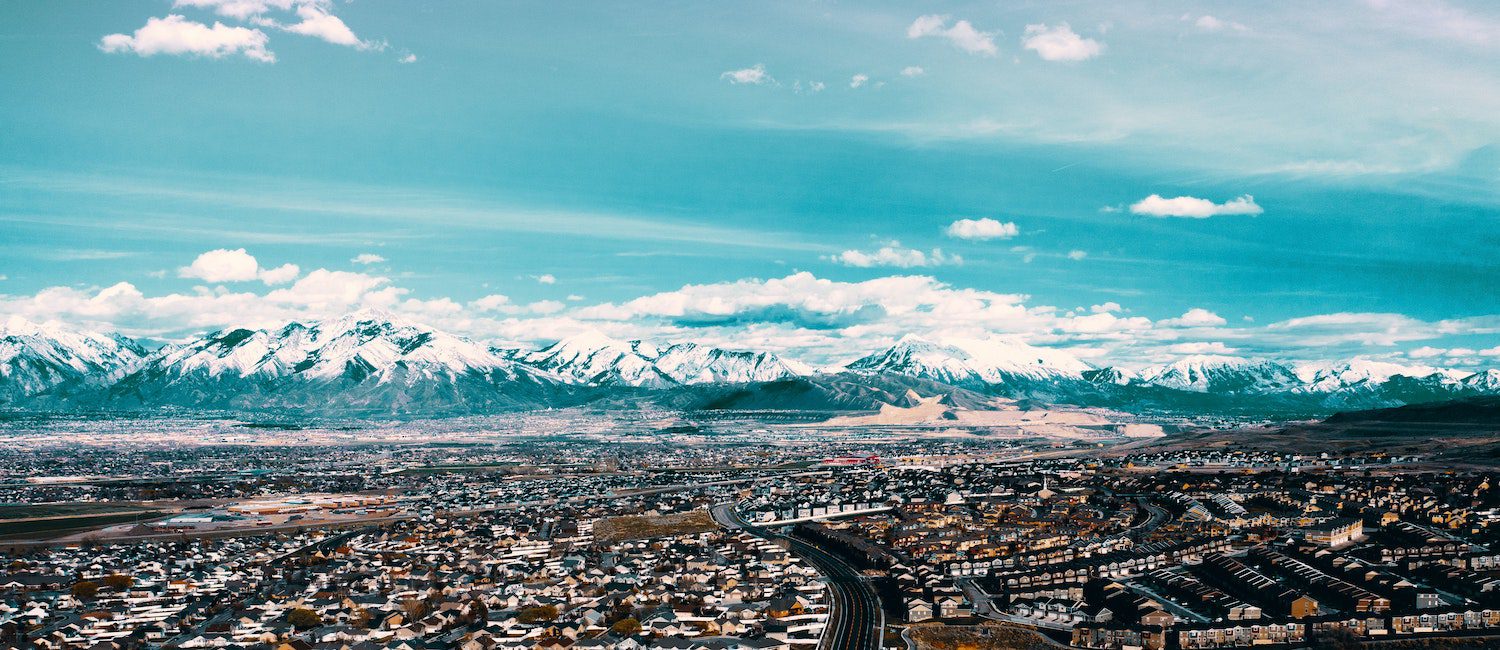
From the snow-capped Wasatch Mountains to the red rock deserts of the south, Utah is known for its incredible landscapes and outdoor lifestyle. But, like any place, Utah has its quirks and challenges. But is Utah a good place to live? Let’s take a look at the top pros and cons of renting in Utah to help you decide if it’s the right place for you.

Is Utah a good place to live?
Utah’s lifestyle draws people who enjoy the outdoors, close communities, and a rapidly growing job market. Salt Lake City, Provo, and St. George are among the state’s largest cities. Salt Lake has a bustling city scene mixed with mountain vibes. Provo has a strong tech scene, and St. George has year-round sunshine and desert beauty. Major employers like Adobe, Qualtrics, and Intermountain Healthcare fuel Utah’s dynamic economy, while the state’s focus on outdoor adventure, wellness, and community creates a truly distinctive living experience.
Utah overview
| Population | 3,271,616 |
| Biggest cities in Utah | Salt Lake City, West Valley City, West Jordan |
| Average rent in Salt Lake City | $1,494 |
| Average rent in West Valley City | $1,369 |
| Average rent in West Jordan | $1,348 |
1. Pro: World-class outdoor recreation
Utah’s recreation has various attractions, offering five national parks—Arches, Bryce Canyon, Canyonlands, Capitol Reef, and Zion. Each park showcase stunning red rock landscapes and adventure opportunities. Residents can easily spend weekends hiking, rock climbing, or skiing in world-renowned spots like Moab or Park City. Utah’s outdoor diversity makes it easy to enjoy each season to the fullest, attracting those who crave a life close to nature.
Insider scoop: For a quieter adventure, locals head to lesser-known spots like Snow Canyon State Park or the secluded slot canyons in the Grand Staircase-Escalante area.

2. Con: High cost of living in popular areas
Moving to Utah can be costly, especially in high-demand areas. Salt Lake City, for instance, has a one-bedroom apartment in the downtown area averages around $1,494 per month. Nearby suburbs like Draper and Sandy also command high prices, often exceeding $1,500 for a similar unit. In Provo, home to a major tech hub and Brigham Young University, rents average about $1,4035 for a one-bedroom, while scenic St. George, popular for its warm climate and proximity to national parks, sees one-bedroom rentals at around $1,886.
3. Pro: A thriving job market
Utah has seen a tech boom in recent years, especially in the “Silicon Slopes” area, where tech giants and startups thrive. Companies like Qualtrics, Pluralsight, and Ancestry have headquarters or offices here, attracting tech professionals from all over the country. Beyond tech, Utah also has robust healthcare, finance, and education sectors, offering plenty of job opportunities.
4. Con: Limited nightlife options
Utah’s nightlife can feel limited if you’re used to big city scenes. While Salt Lake City has a growing number of breweries, bars, and music venues, Utah’s unique liquor laws and “dry” towns can make socializing harder for nightlife fans. While craft breweries and local music scenes are evolving, the state’s conservative alcohol policies can be a downside for those seeking a vibrant nightlife culture.
Insider scoop: Salt Lake City has a few speakeasy-style bars that offer unique experiences for those in the know, like Prohibition.

5. Pro: Unique community culture
Utah is known for its friendly and community-oriented culture. Many residents find this atmosphere welcoming, with neighbors often eager to help new arrivals feel at home. The state’s high volunteerism rates and community events, like the Utah Arts Festival and Days of ’47 Parade, highlight Utah’s people-centered spirit.
6. Con: Challenging winters
While Utah is famous for “the greatest snow on Earth,” winter can be tough for those not accustomed to snowy climates. Snowstorms, icy roads, and frigid temperatures make winter driving challenging, especially in the mountain areas. Although Salt Lake City and other cities handle snow removal well, wintertime can still take some getting used to if you’re from a warmer climate.
Insider scoop: Keep an emergency kit in the car, complete with blankets, snacks, and kitty litter (for traction on icy roads).

7. Pro: Access to affordable and quality skiing
Unlike Colorado or California, Utah’s ski resorts are often within an hour’s drive from the cities, offering residents some of the world’s best skiing and snowboarding opportunities. Resorts like Snowbird, Alta, and Park City Mountain Resort have locally discounted season passes for Utah residents, making it easy to hit the slopes without breaking the bank.
8. Con: Air quality concerns
Utah’s geography contributes to periodic air quality issues, especially in the winter when Salt Lake City experiences inversions. This weather pattern traps cold air and pollution in the valley, creating hazy, smoggy conditions that can last for days. Inversions can impact outdoor activities and are particularly challenging for people with respiratory conditions.

9. Pro: Scenic and affordable road trips
Utah is centrally located, making it easy for residents to enjoy scenic drives to nearby states like Arizona, Colorado, and Nevada. For example, you can drive from Salt Lake City to Las Vegas in about six hours or take a weekend road trip to Colorado’s Rocky Mountains. Living in Utah gives you access to a wider region of beautiful, diverse landscapes, perfect for a road trip.
10. Con: Rapid population growth straining infrastructure
Utah’s population is growing quickly, which has put some strain on infrastructure. Traffic in and around Salt Lake City has worsened, especially during rush hour. As the state continues to grow, managing this influx will be an ongoing challenge, affecting commute times and demand for housing.
Pros and cons of living in Utah: Overview
| Pros | Cons |
| World-class outdoor recreation | High cost of living in popular areas |
| A thriving job market | Limited nightlife options |
| Unique community culture | Challenging winters |
| Access to affordable and quality skiing | Air quality concerns |
| Scenic and affordable road trips | Rapid population growth straining infrastructure |